
The short version
- No single food causes breast cancer to come back, and no food or supplement can prevent it.
- The strongest evidence after breast cancer is about body weight. For diet, there is limited evidence that eating more fibre, eating soy foods and a healthy overall eating pattern are linked to better survival.1
- A simple, balanced, mainly plant-based diet, with less alcohol, is a sensible goal.
What the research shows
The World Cancer Research Fund (WCRF) regularly reviews all the research on diet, weight and activity in people who have had breast cancer. It found:1
| Factor | What the evidence suggests | How strong is it? |
|---|---|---|
| Higher body weight after diagnosis | Linked to a higher risk of death | Strong |
| Being physically active | Linked to a lower risk of death | Limited |
| Eating more fibre | Linked to a lower risk of death | Limited |
| Eating soy foods | Linked to a lower risk of death, and possibly of recurrence | Limited |
| A healthy eating pattern | Linked to a lower risk of death | Limited |
| Vitamin D | Higher levels linked to better outcomes, but no evidence that supplements help | Limited |
“Limited” means the studies point in this direction, but they can’t prove cause and effect. People who eat well are often different in other ways too.
What this means for you
Eat more fibre
WCRF suggests considering eating more fibre.1 Good sources are wholegrain bread, pasta and rice, oats, beans, lentils, vegetables, fruit, nuts and seeds.
Soy is safe
You may have heard that soy is unsafe after breast cancer. The research doesn’t support this. WCRF says there’s no need to stop eating soy foods such as tofu, soya milk and edamame if you already do, although the evidence isn’t strong enough to recommend starting to eat more.1
Follow a healthy pattern overall
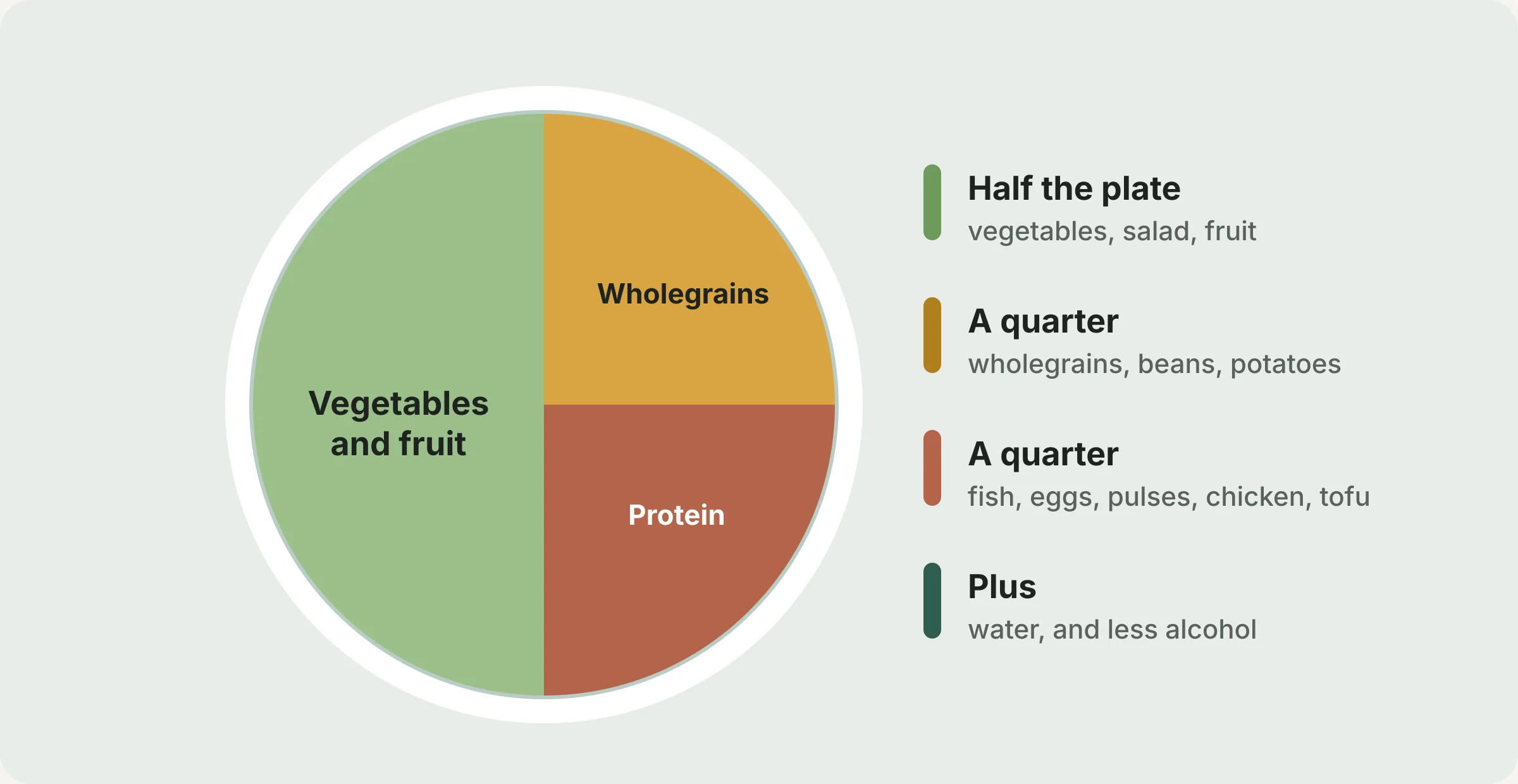
Rather than focusing on single “superfoods”, aim for a pattern you can keep up:
- plenty of vegetables, fruit, wholegrains and pulses
- some fish, eggs, poultry, beans or tofu for protein
- less red and processed meat
- fewer sugary drinks and highly processed foods
- less alcohol. See alcohol and breast cancer recurrence
Be wary of supplements and special diets
There’s no good evidence that supplements prevent breast cancer coming back, and WCRF found no evidence that vitamin D supplements improve outcomes.1 Some high-dose supplements and herbal products can interact with treatments such as hormone therapy. Check with your team or pharmacist before taking any.
Be cautious about diets that promise to “starve” cancer or cut out whole food groups. They aren’t supported by evidence, and can leave you short of nutrients.
Free, reliable information
- World Cancer Research Fund has free guides on eating well after cancer.2
- Ask your team about seeing a dietitian if you have specific needs.
Want support with eating well?
Some personalised rehabilitation programmes include nutrition coaching alongside exercise, sleep and mental wellbeing. See how digital rehabilitation works.
Related pages
Everyone’s treatment is different, so talk to your cancer team about what is right for you.
References
- World Cancer Research Fund. Breast cancer survivors: Global Cancer Update Programme (CUP Global) findings on body weight, physical activity and diet after diagnosis. www.wcrf.org/research-policy/evidence-for-our-recommendations/after-a-cancer-diagnosis-follow-recommendations/breast-cancer-survivors-research/
- World Cancer Research Fund, with the British Dietetic Association Oncology Specialist Group. Eat well during cancer (free guide). www.wcrf.org/living-well/living-with-cancer/eat-well-during-cancer/