
The short version
- Lifting weights is safe for most people after breast cancer, including people who have, or are at risk of, lymphoedema, when you start light and build up slowly.1, 2
- Strength training twice a week helps rebuild muscle, improves physical function and quality of life, and supports your bones.3, 4
- Ask your team before you start, and ideally get guidance from a physiotherapist or exercise professional at first.
Why strength matters after treatment
Surgery, chemotherapy, hormone therapy and time spent less active can all reduce your muscle strength. Strength training helps you rebuild it, making everyday tasks such as carrying shopping, climbing stairs and lifting children or grandchildren easier.
International exercise guidelines for people after cancer recommend strength training at least twice a week, with at least 2 sets of 8 to 15 repetitions of exercises for the main muscle groups.3 Combined with aerobic activity, this improves quality of life, physical function and fatigue.3 Strength and impact exercise also help protect your bones, which matters if you’re taking an aromatase inhibitor, as these can cause bone loss.4, 5
What about lymphoedema?
For many years, people were told to avoid lifting with the arm on the side of their surgery. Research has changed that advice.
- In a trial of women with breast cancer-related lymphoedema, a slowly progressed weight-lifting programme did not make swelling worse, and reduced flare-ups of symptoms.1
- In a trial of women at risk of lymphoedema after lymph node removal, slowly progressed weight lifting did not increase the chance of developing it.2
The key in both trials was starting with a very light weight, increasing it slowly, and being supervised at first.1, 2 Expert guidelines say that exercise does not make lymphoedema worse, and recommend that people with lymphoedema start resistance exercise with supervision.3
How to start
- Get the go-ahead from your team, especially if you’ve had reconstruction, have bone problems, or are within a few weeks of surgery.
- Get some guidance. Ask about NHS physiotherapy, or look for an exercise professional with cancer rehabilitation training.
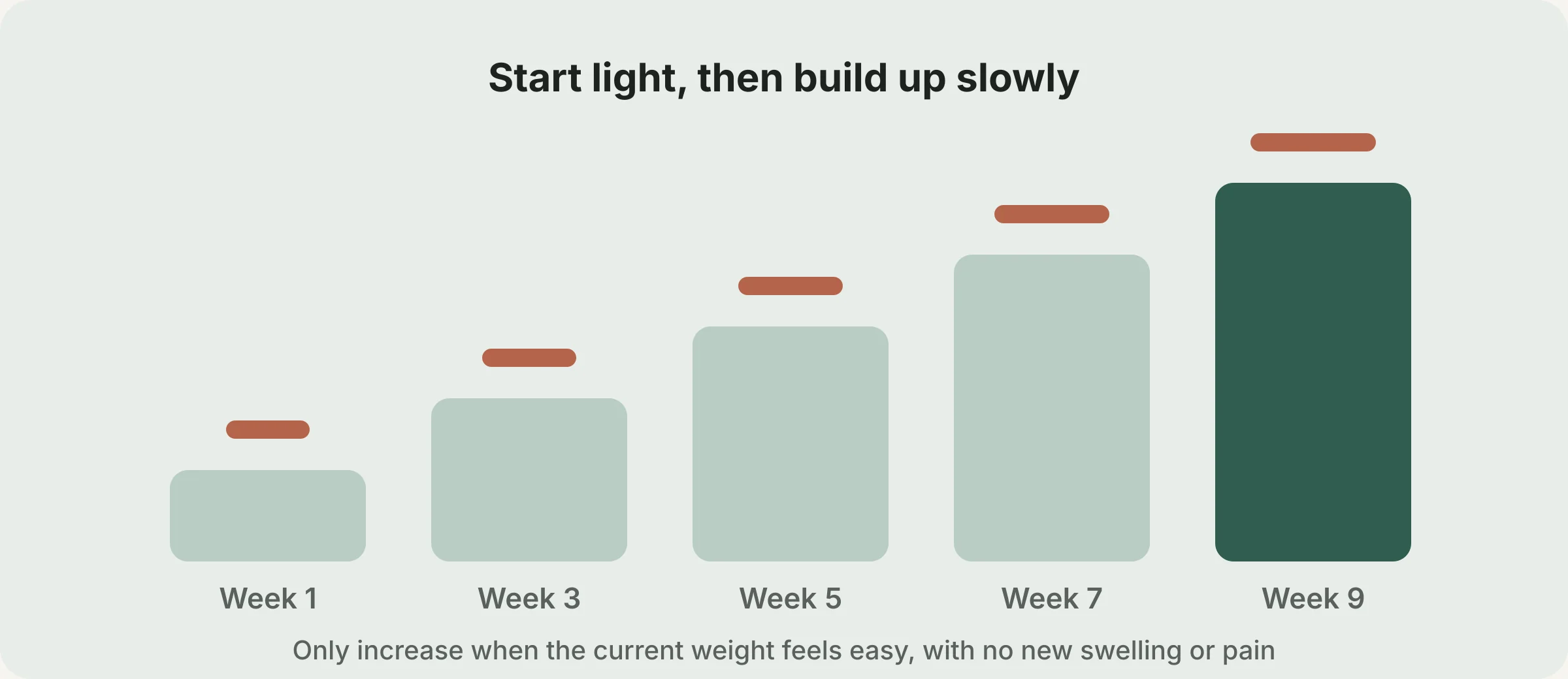
- Start light. Begin with body weight, tins, water bottles or a light resistance band.
- Work all the main muscle groups: legs, bottom, back, chest and arms.
- Increase slowly. When you can easily do 2 sets of 15, increase the weight by the smallest amount available.
- If you have lymphoedema, wear your compression garment while exercising if you’ve been advised to, and keep an eye on your arm.
Exercises to start with
Our 12-week plan has a full programme. Good starting exercises include:
- sit-to-stand, step-ups and bridges for your legs
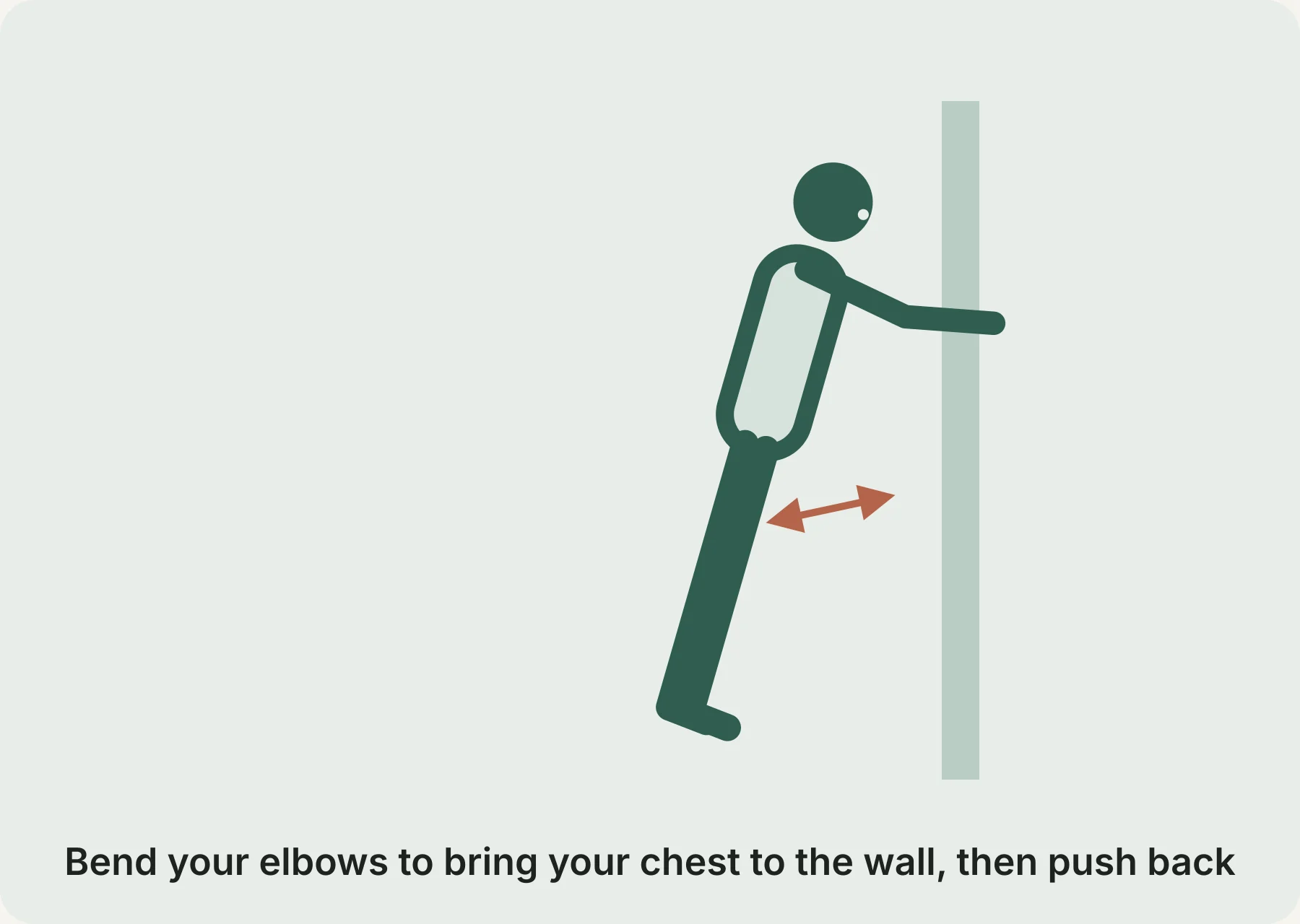
- wall press-ups for your chest and arms
- band rows for your upper back
- arm curls with a light weight
Going to the gym
Many people go on to use gym machines or free weights. Tell the instructor about your treatment and any limits, start with lighter weights than you think you need, and build up gradually. Some leisure centres run exercise referral schemes or classes for people after cancer: ask your GP or local council.
Stop and get advice if you notice
- new or increased swelling, heaviness or tightness in your arm, hand, breast or chest
- pain that doesn’t settle within a day or two
- new bone pain
- chest pain, dizziness or severe breathlessness
If symptoms don’t settle, contact your breast care nurse or lymphoedema service.
Prefer a guided plan?
A personalised programme can set the right starting weight for you and increase it safely as you get stronger, with a coach checking your progress. See how digital rehabilitation works or compare UK programmes.
Related pages
- Getting your strength back: a 12-week plan
- Lymphoedema: signs, treatment and support
- Reducing your risk of lymphoedema
Everyone’s treatment is different, so talk to your cancer team about what is right for you.
References
- Schmitz KH, Ahmed RL, Troxel A, et al. Weight lifting in women with breast-cancer-related lymphedema. New England Journal of Medicine. 2009;361(7):664–673. doi.org/10.1056/NEJMoa0810118
- Schmitz KH, Ahmed RL, Troxel AB, et al. Weight lifting for women at risk for breast cancer-related lymphedema: a randomized trial. JAMA. 2010;304(24):2699–2705. doi.org/10.1001/jama.2010.1837
- Campbell KL, Winters-Stone KM, Wiskemann J, et al. Exercise guidelines for cancer survivors: consensus statement from international multidisciplinary roundtable. Medicine & Science in Sports & Exercise. 2019;51(11):2375–2390. doi.org/10.1249/MSS.0000000000002116
- Brooke-Wavell K, Skelton DA, Barker KL, et al. Strong, steady and straight: UK consensus statement on physical activity and exercise for osteoporosis. British Journal of Sports Medicine. 2022;56(15):837. bjsm.bmj.com/content/56/15/837
- Husnoo N, Goonoo MS, Abbas S. Practical management of aromatase inhibitor-induced bone loss in breast cancer patients. British Journal of Medical Practitioners. 2016;9(4):a931 (summarising the UK expert group guidance, Reid et al. 2008). www.bjmp.org/content/practical-management-aromatase-inhibitor-induced-bone-loss-breast-cancer-patients