
The short version
- Eating well before treatment helps your body cope with treatment and heal afterwards. The focus is on enough energy, enough protein and enough fluids.
- European guidance suggests people with cancer usually need about 1 to 1.5 g of protein per kg of body weight a day. That’s roughly 60 to 90 g for someone who weighs 60 kg.1
- This is not the time for strict diets or cutting out food groups. If you’re losing weight without trying, tell your team.
Why nutrition matters before treatment
Surgery, chemotherapy and radiotherapy all put extra demands on your body. Going into treatment well nourished helps you keep your strength, heal and recover. That’s why nutrition is one of the three core parts of prehabilitation in UK guidance, alongside physical activity and psychological support.2
European clinical nutrition guidance for people with cancer recommends:1
- regular checks of what you’re eating and your weight, from diagnosis onwards
- energy (calories) similar to healthy people, and not restricting calories if you’re losing weight
- protein of about 1 to 1.5 g per kg of body weight a day
- staying physically active, including strength exercise, to help your body use protein to build muscle
Building a balanced plate
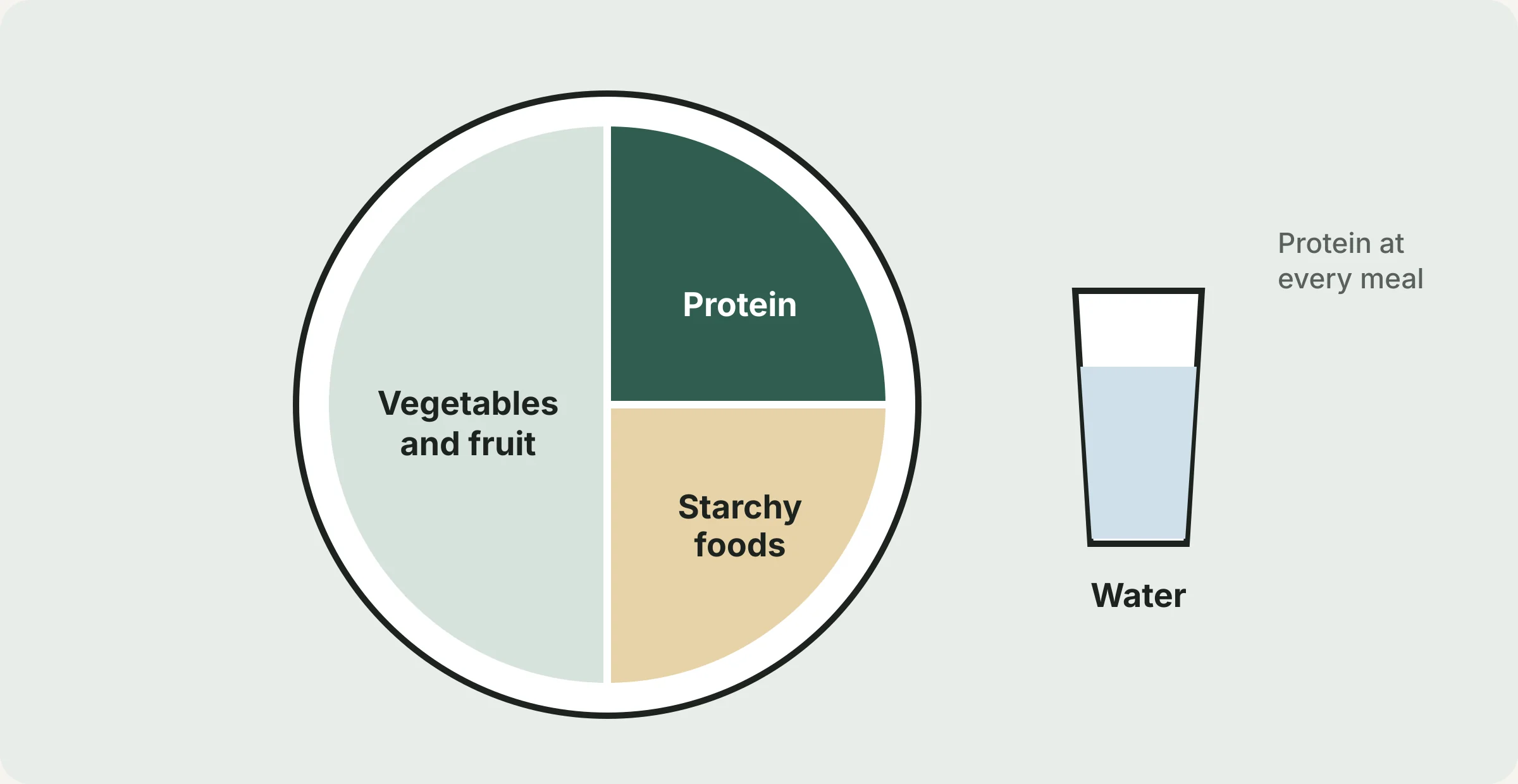
At most meals, aim to include:
- protein: eggs, fish, chicken, meat, beans, lentils, chickpeas, tofu, nuts, yoghurt, milk or cheese
- starchy foods for energy, ideally wholegrain: bread, potatoes, rice, pasta, oats
- vegetables and fruit: fresh, frozen or tinned all count
- a drink: water, milk or other drinks
Getting enough protein
Protein helps you hold on to muscle and heal wounds. Spreading it across the day works better than having most of it at one meal. Some easy ideas:
| Meal | Ideas |
|---|---|
| Breakfast | Eggs on toast, porridge made with milk, Greek yoghurt with fruit and nuts |
| Lunch | Beans on toast, tuna or chicken sandwich, lentil soup, hummus with wraps |
| Dinner | Fish, chicken, tofu or lentil curry with rice and vegetables |
| Snacks | Glass of milk, yoghurt, cheese and crackers, a handful of nuts, boiled egg |
If you’re vegetarian or vegan, combine different plant proteins across the day, such as beans, lentils, tofu, nuts, seeds and soya products.
If you’ve lost weight or your appetite is poor
Unplanned weight loss before treatment is important to mention to your team. They can refer you to a dietitian. In the meantime:
- eat little and often: small meals and snacks every 2 to 3 hours
- choose nourishing drinks, such as milk, smoothies or milky coffee
- add extra energy and protein, for example milk powder in porridge or cheese on vegetables
- don’t fill up on low-energy foods such as clear soups or salad before the main part of a meal
Your team may suggest nutritional supplement drinks. Only take these on advice.
Things to be careful with
- Strict diets such as “detox”, juice-only or very low-carb diets aren’t recommended before treatment. They can lead to weight and muscle loss.
- Supplements and herbal remedies. Some can interact with chemotherapy or affect bleeding during surgery. Tell your team about everything you take.
- Alcohol. Cutting down before surgery and treatment helps recovery.
- Food safety. If you’re having chemotherapy, your team may give you advice about avoiding food poisoning.
Free resources
- World Cancer Research Fund publishes a free Eat well during cancer guide, written with the British Dietetic Association’s oncology specialists.3
- Macmillan has information on diet and cancer, and its support line can answer questions on 0808 808 00 00.
Prefer a guided plan?
Personalised digital prehab programmes include nutrition goals alongside exercise, built around your needs and treatment, with a coach to help you stick with them. See how digital prehab works.
Related pages
- Protein before surgery: how much and where from
- A simple prehab plan to start at home
- Preparing for chemotherapy
Everyone’s treatment is different, so talk to your cancer team about what is right for you.
References
- Muscaritoli M, Arends J, Bachmann P, et al. ESPEN practical guideline: Clinical Nutrition in cancer. Clinical Nutrition. 2021;40(5):2898–2913. doi.org/10.1016/j.clnu.2021.02.005
- Macmillan Cancer Support, Royal College of Anaesthetists and NIHR Cancer and Nutrition Collaboration. Principles and guidance for prehabilitation within the management and support of people with cancer. 2019, updated November 2020. www.macmillan.org.uk/healthcare-professionals/news-and-resources/guides/principles-and-guidance-for-prehabilitation
- World Cancer Research Fund, with the British Dietetic Association Oncology Specialist Group. Eat well during cancer (free guide). www.wcrf.org/living-well/living-with-cancer/eat-well-during-cancer/