
The short version
- A Cochrane review found moderate-quality evidence that yoga improves quality of life, fatigue and sleep in women with breast cancer, compared with no yoga.1
- The evidence for Pilates is smaller, but suggests it can help with pain and arm function.2
- Choose a gentle class with a teacher who knows about cancer, and adapt moves that strain your chest, shoulder or arm.
What the evidence says
Yoga
A Cochrane review of 24 studies including more than 2,000 women with breast cancer found that, compared with no yoga, yoga improved health-related quality of life, reduced fatigue and reduced sleep problems in the short term. The evidence was rated moderate quality. Effects on depression and anxiety were less clear, and no serious side effects were reported.1
Pilates
A review of trials of Pilates in women with breast cancer found that it eased symptoms, but generally no more than other types of exercise, apart from pain and arm and shoulder function, where Pilates did better.2 The studies were small, so more research is needed.
Getting started safely
- Check with your team if you’ve had recent surgery or reconstruction, or have lymphoedema, bone problems or low blood counts.
- Choose a gentle class: hatha, restorative, chair or “yoga for cancer” classes. Avoid hot yoga at first.
- Tell the teacher about your treatment.
- Go at your own pace. Don’t push into pain, and use props such as blocks, straps and cushions.
Adapting moves after surgery
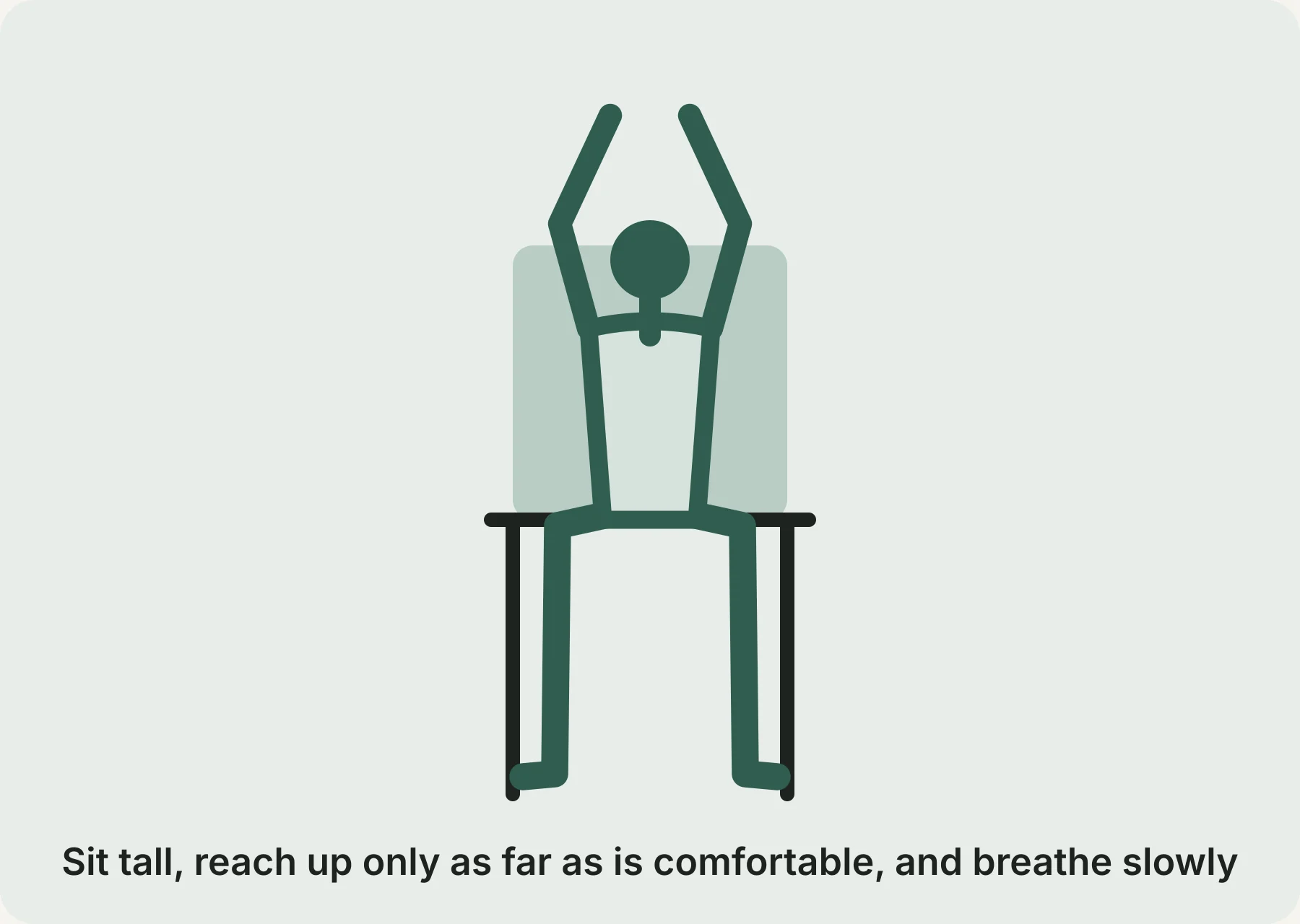
- Arms and shoulders: take arms up only as far as is comfortable, and build up gradually. Your shoulder exercises help you get your full range back first.
- Weight on your arms: poses such as downward dog and plank put weight through your arms and chest. Try them on a wall or table first, and build up slowly.
- After reconstruction: some poses stretch or press on the chest or tummy (if tissue was taken from there). Ask your surgeon or physiotherapist which moves to avoid, and for how long.
- Lymphoedema: yoga is generally fine, and gentle movement with breathing may help. Wear your compression garment if advised, and avoid long holds with your arm hanging down.
Finding a class
- Ask your breast care nurse or local cancer support centre. Many run free or low-cost classes.
- Maggie’s centres offer free activities, including relaxation and movement, in person and online.3
- Some yoga and Pilates teachers have extra training in working with people after cancer. Ask about their experience.
Some personalised rehabilitation programmes include gentle movement and relaxation alongside exercise, nutrition and sleep. See how digital rehabilitation works.
Related pages
- Getting your strength back: a 12-week plan
- When fatigue doesn’t go away
- Breathing and relaxation techniques
Everyone’s treatment is different, so talk to your cancer team about what is right for you.
References
- Cramer H, Lauche R, Klose P, Lange S, Langhorst J, Dobos GJ. Yoga for improving health-related quality of life, mental health and cancer-related symptoms in women diagnosed with breast cancer. Cochrane Database of Systematic Reviews. 2017;(1):CD010802. doi.org/10.1002/14651858.CD010802.pub2
- Pinto-Carral A, Molina AJ, de Pedro Á, Ayán C. Pilates for women with breast cancer: a systematic review and meta-analysis. Complementary Therapies in Medicine. 2018;41:130–140. search.pedro.org.au/search-results/record-detail/55531
- Maggie’s. Fear of cancer returning. www.maggies.org/cancer-support/managing-emotions/fear-cancer-returning/