
The short version
- Digital rehabilitation is a personalised recovery programme you follow at home after cancer treatment, combining exercise, nutrition, mental wellbeing and sleep.
- It is designed for the common after-effects of treatment: fatigue, lost strength, weight changes, low mood, poor sleep and getting back to work.
- Some people can get rehab support through the NHS or charities. If you can’t, there are self-pay options, such as QuestPrehab Recover (£199 for four weeks).
Why recovery needs a plan
Finishing hospital treatment is a milestone, but many people find the months afterwards harder than they expected. Appointments become less frequent just as side effects such as tiredness, stiffness and worry are still very present. It is common to feel, as many people put it, that you have “fallen off a cliff”.
There is good evidence that being active after treatment improves fatigue, anxiety, depression, physical function and quality of life.1 The challenge is turning that into something you can actually do, week after week, at a level that’s right for you. That is what rehabilitation programmes are for.
What a digital rehab programme includes
Most digital rehabilitation programmes follow a similar pattern:
- An assessment by video or phone, covering your treatment, energy levels, fitness, any ongoing side effects and your goals.
- A personalised plan, for example a four- to twelve-week programme, delivered through an app.
- A few short daily steps: an exercise session, a food goal, a relaxation or sleep practice.
- Progress tracking, with the plan adjusted as you get stronger.
- Support from a coach or clinician, and a review at the end with guidance on keeping progress going.
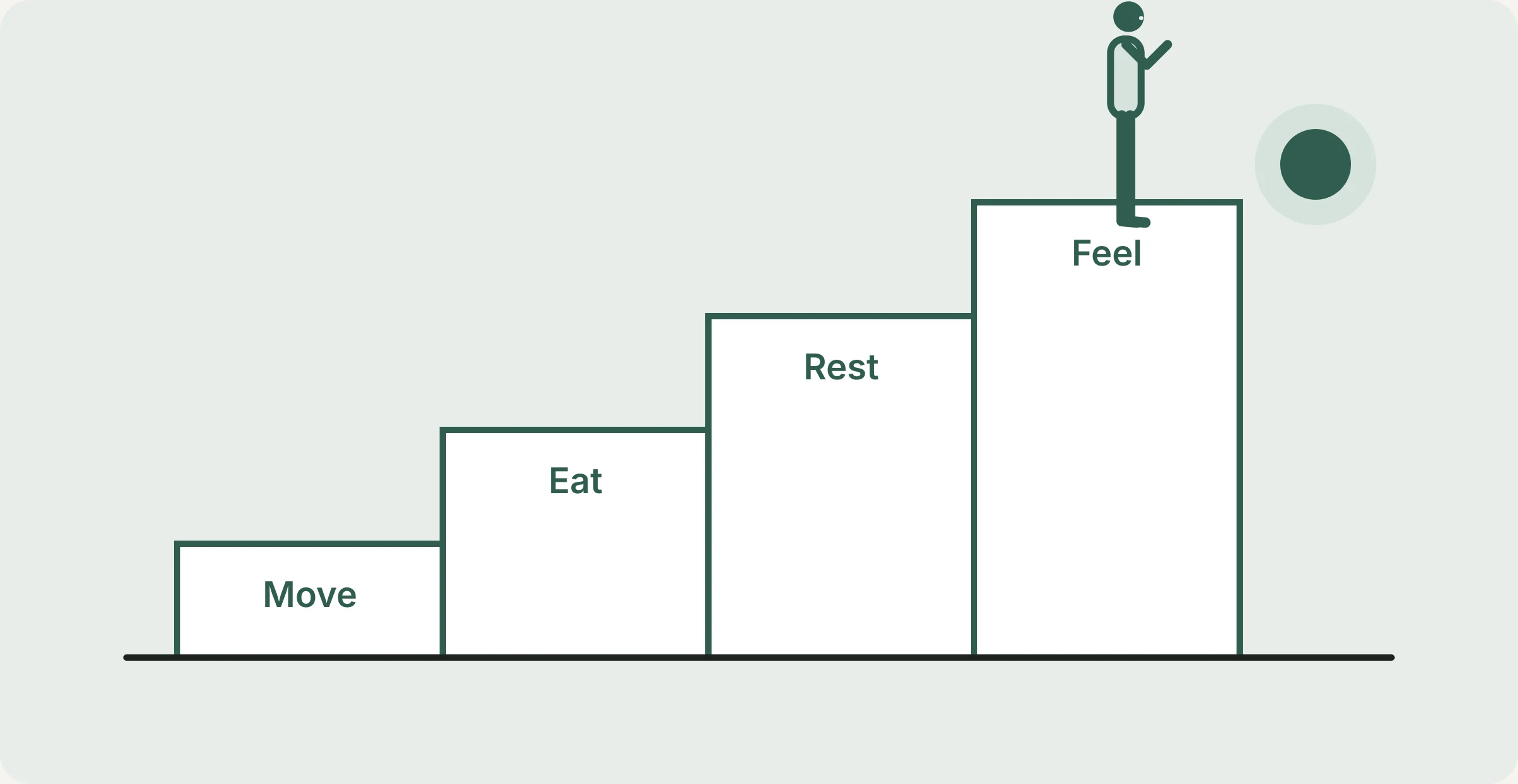
The best programmes are multimodal: they work on movement, nutrition, mind and sleep together, because each one affects the others. For example, better sleep gives you more energy to be active, and being active helps you sleep.
Who it can help
Digital rehab can help if, after surgery, chemotherapy, radiotherapy or while on long-term hormone therapy, you are dealing with:
- fatigue that doesn’t lift with rest
- lost strength and fitness: stairs, walking or carrying shopping feel harder
- weight or appetite changes
- anxiety, low mood or fear of the cancer coming back
- poor sleep
- getting ready to return to work
If you have specific problems such as lymphoedema, a stiff shoulder or bone pain, you may also need to see a physiotherapist or lymphoedema specialist. A good programme will check for these at the start.
Ways to get rehabilitation support in the UK
Free options
- Ask your breast care team or GP about NHS cancer rehabilitation, physiotherapy and dietitian services in your area.
- Breast Cancer Now’s Moving Forward course helps people adjust to life after primary breast cancer treatment, online or in person.
- Penny Brohn UK runs free online sessions, including strength and stamina, sleep and nutrition.
- Macmillan Move More offers free local and online activity sessions in many areas.
These are valuable, but most are classes or courses rather than a personal plan that adapts to you.
Personalised digital programmes
| Programme | How to access | Format | Cost |
|---|---|---|---|
| QuestPrehab Recover | Self-referral, anywhere in the UK | Four-week personalised programme in an app, with coach support | £199, no payment until suitability is confirmed |
| Reframe Cancer (Alvie) | Self-pay through Reframe Cancer | Digital programme with coaching | Price on application |
| Perci Health | Through employers only | Virtual clinic sessions with specialists | Funded by employer |
You can also check what your employer or insurer offers. Many workplace health schemes now fund cancer support.
A personalised option: QuestPrehab Recover
QuestPrehab Recover is a four-week personalised rehabilitation programme for adults in the UK who have had cancer treatment. Coaches build your plan around your treatment, fitness and goals, and the app shows a few clear steps each day across exercise, nutrition, mind and sleep. It costs £199, and you don’t pay until the team has confirmed the programme is right for you.2 Read our guide to QuestPrehab Recover or go to QuestPrehab Recover. Why we mention QuestPrehab.
How to choose a programme
Ask:
- Is it built for people after cancer treatment? General fitness apps don’t account for fatigue, lymphoedema risk, neuropathy or bone health.
- Who designs the plan? Look for clinicians with NHS cancer experience.
- Does it cover all four areas (movement, nutrition, mind and sleep)?
- Is there a person to talk to, not just an app?
- Is there published evidence, and is the provider used by NHS services?
- How is your data protected? Look for UK GDPR compliance and the NHS Data Security and Protection Toolkit.
- What does it cost, and what’s included?
Our comparison of UK digital programmes answers these questions for each provider.
Starting on your own
If you’d like to begin now, our 12-week plan to get your strength back has illustrated exercises you can do at home. Start gently and build up: little and often is easier to keep going than a big burst of effort.
Tell your team before you start
Let your GP or cancer team know you are starting a rehabilitation programme. Contact them promptly if you have new or worsening symptoms, such as bone pain, swelling in your arm or chest, or breathlessness. Rehab programmes work alongside your NHS care; they don’t replace it.
Related pages
- When treatment ends: what to expect
- What is cancer rehabilitation?
- Strength training after breast cancer
Everyone’s treatment is different, so talk to your cancer team about what is right for you.
References
- Campbell KL, Winters-Stone KM, Wiskemann J, et al. Exercise guidelines for cancer survivors: consensus statement from international multidisciplinary roundtable. Medicine & Science in Sports & Exercise. 2019;51(11):2375–2390. doi.org/10.1249/MSS.0000000000002116
- QuestPrehab. QuestPrehab Recover: personalised cancer rehabilitation. Accessed November 2026. questprehab.com/recover/